
Arterial Disease Treatments
Treatment Options for Peripheral Arterial Disease (PAD) & Non-Healing Ulcers
By improving circulation, many patients are able to experience relief from symptoms such as leg discomfort and reduced mobility, while also supporting the body’s natural healing process. In addition, addressing underlying arterial disease may help reduce the risk of future vascular complications.
At Pedes Venous Institute, we take a comprehensive and personalized approach to care. In addition to lifestyle recommendations such as regular movement and balanced nutrition, we offer minimally invasive vascular treatments designed to restore blood flow and support healing.
Our team uses advanced diagnostic imaging and individualized care plans to guide each step of treatment, helping patients feel informed and supported throughout their care.
Atherectomy
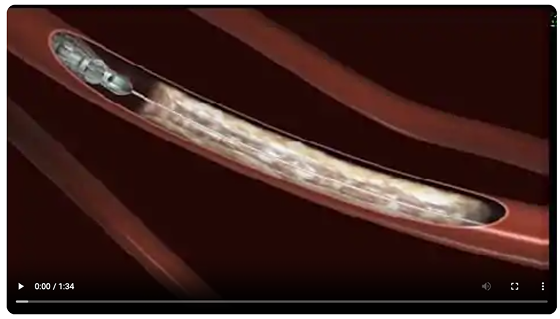
During the procedure, a small catheter is inserted through a tiny access point and guided to the affected artery using advanced imaging. The tip of the catheter gently removes plaque while collecting it in a specialized chamber to help keep the bloodstream clear.
Depending on the level of blockage, this process may be repeated to achieve optimal blood flow. Atherectomy is typically performed under local anesthesia, allowing for a comfortable experience without the need for open surgery.
This treatment can help improve mobility, support wound healing, and reduce symptoms associated with PAD.
Angioplasty
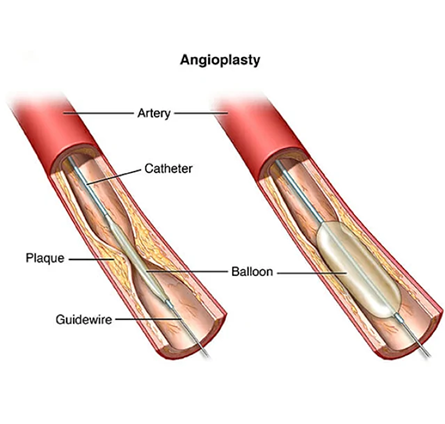
A thin, flexible catheter is guided to the area of narrowing, where a small balloon is gently inflated to widen the artery. This helps restore circulation and allows oxygen-rich blood to reach the affected areas more effectively.
Angioplasty is often performed alongside other treatments, such as atherectomy, depending on the patient’s needs. The procedure is typically completed in a short amount of time, with many patients returning home the same day.
Stenting for Peripheral Artery Disease
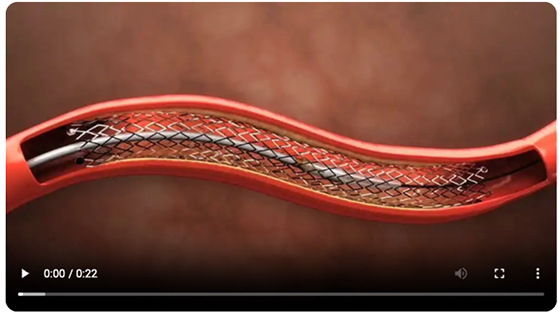
After an artery has been treated with angioplasty or atherectomy, a stent may be used to help keep the vessel open. This added support can reduce the likelihood of the artery narrowing again over time.
Stenting is commonly used as part of a comprehensive treatment plan and can help improve circulation, reduce discomfort, and support long-term vascular health.
PAD Treatment Center in Irvine, CA
We provide advanced, minimally invasive arterial disease treatments in Irvine, CA, with a focus on improving blood flow and supporting your overall well-being. Our team is committed to helping you feel comfortable, informed, and confident in your care.