
Chronic Venous Insufficiency Treatment in Irvine, CA
What is Chronic Venous Insufficiency?
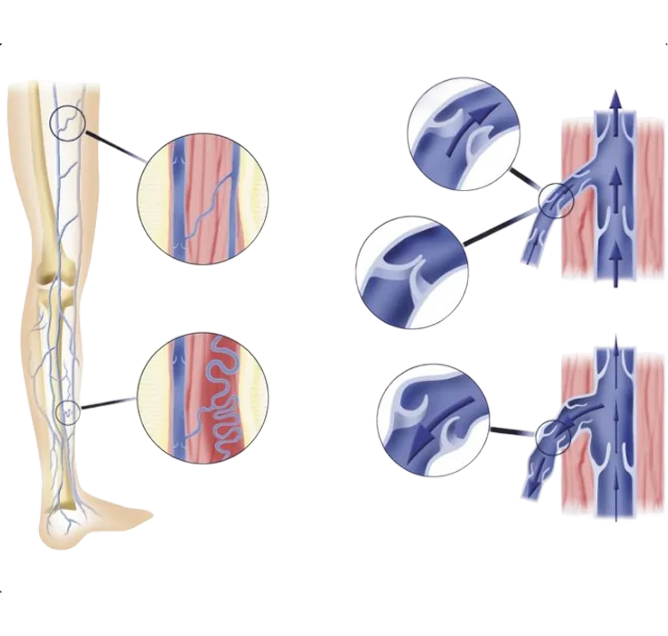
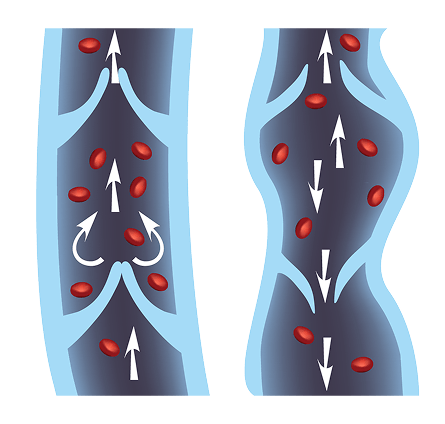
Chronic venous insufficiency (CVI) is a condition that affects how blood flows through the veins, most commonly in the legs. Healthy veins contain valves that help move blood back toward the heart. When these valves do not function as effectively, blood may begin to collect in the veins rather than circulate properly.
This can lead to increased pressure within the veins and contribute to symptoms such as swelling, discomfort, and skin changes. CVI often develops gradually, and with early evaluation and care, many patients are able to manage symptoms and improve overall vein health.
Symptoms of Chronic Venous Insufficiency
Symptoms of CVI can vary and may become more noticeable over time. Seeking evaluation early can help guide appropriate care and improve comfort.

Swelling in the lower legs and ankles, especially after long periods of standing
Aching, tiredness, or heaviness in the legs
Skin changes, including dryness, thickening, or discoloration
Itching or irritation of the skin on the legs
A feeling of tightness or pressure in the calves
Discomfort that improves when legs are elevated
Slow-healing wounds or ulcers in more advanced cases
Causes of Chronic Venous Insufficiency
CVI is often related to conditions that affect normal blood flow through
the veins.
Common causes include:
Damaged or weakened vein valves, allowing blood to flow backward
Blood clots (deep vein thrombosis) that may block or damage veins
Varicose veins, which can disrupt normal circulation
Reduced muscle function in the legs, which helps move blood upward
These factors can contribute to increased pressure within the veins and lead to symptoms over time.
Chronic Venous Insufficiency Risk Factors
Certain factors may increase the likelihood of developing CVI, including:
Age (more common in adults over 50)
Family history of venous disease
Prolonged sitting or standing
Obesity
Smoking
Pregnancy
History of blood clots
Prior leg injury or trauma
Understanding these risk factors can help support early detection and management.
Diagnosing Chronic Venous Insufficiency
At Pedes Venous Institute, diagnosing CVI begins with a comprehensive evaluation of your symptoms and medical history, along with advanced imaging when needed.
Duplex Ultrasound
A duplex ultrasound is a non-invasive test used to evaluate blood flow in the veins and identify areas of reflux or reduced circulation.
Venogram
A venogram uses contrast dye and imaging to provide a detailed view of the veins. This can help identify narrowing or blockages and guide treatment planning.
These diagnostic tools allow our team to better understand your condition and develop a personalized care plan.
Understanding Potential Progression
When venous circulation is not functioning properly, pressure within the veins can increase over time. This may contribute to:
Skin discoloration
Increased sensitivity of the skin
Greater likelihood of slow-healing wounds
With appropriate care and monitoring, many patients are able to manage symptoms and reduce the likelihood of progression.
Treatments for Chronic Venous Insufficiency
Treatment for CVI is tailored to each individual based on their symptoms, overall health, and underlying causes.
At Pedes Venous Institute, we focus on non-surgical and minimally invasive treatment options designed to improve circulation and relieve symptoms.
Treatment plans may include:
Lifestyle recommendations to support circulation
Compression therapy
Image-guided vascular treatments, when appropriate
Our team takes the time to explain each option clearly, helping you feel informed and comfortable with your care plan.
Chronic Venous Insufficiency Treatment in Irvine, CA
If you are experiencing symptoms of chronic venous insufficiency, the team at Pedes Venous Institute is here to help. We provide comprehensive evaluations and minimally invasive venous treatments in Irvine, CA, designed to improve circulation and support long-term vein health.